Your cart is currently empty!
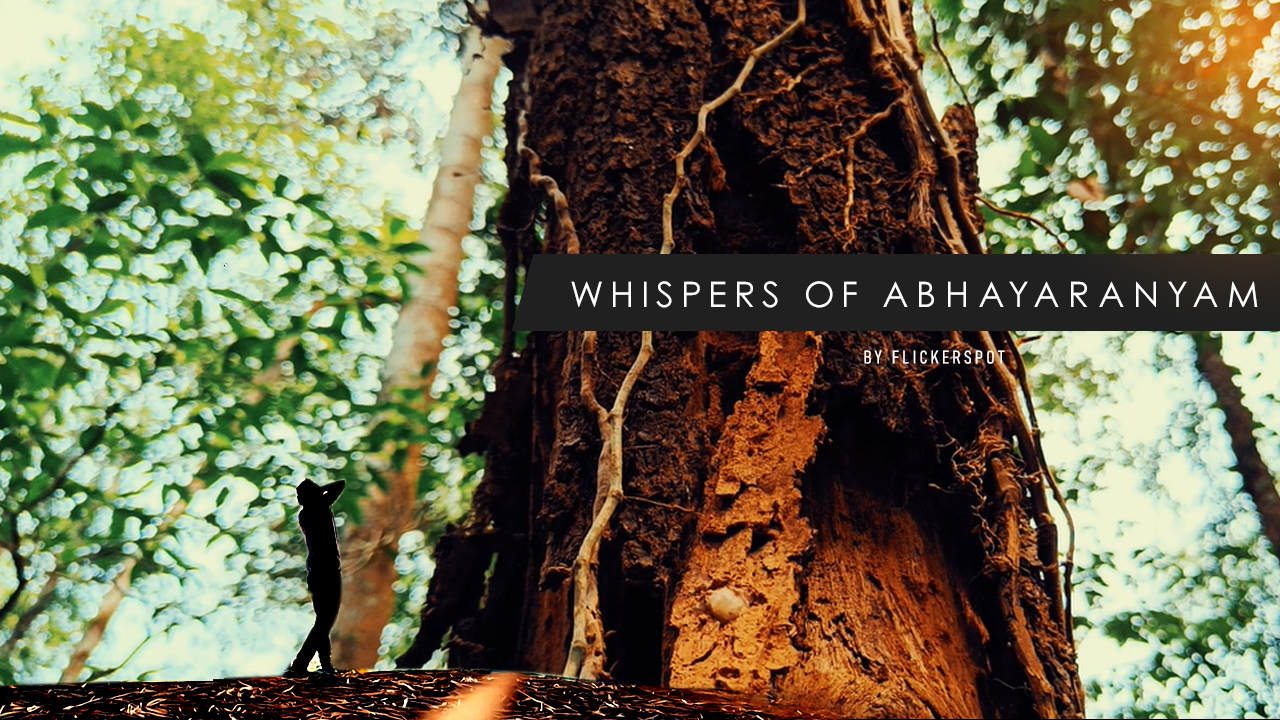
Trekking is not always about reaching the summit.
Sometimes, the most beautiful part of a trek is the tiny moment that makes you stop—a ray of light passing through the trees, clouds moving over a mountain, water rushing down a rocky slope, a bird suddenly appearing between the branches, or rain falling through the forest.

As a photographer, I naturally tend to stop whenever I see something interesting.
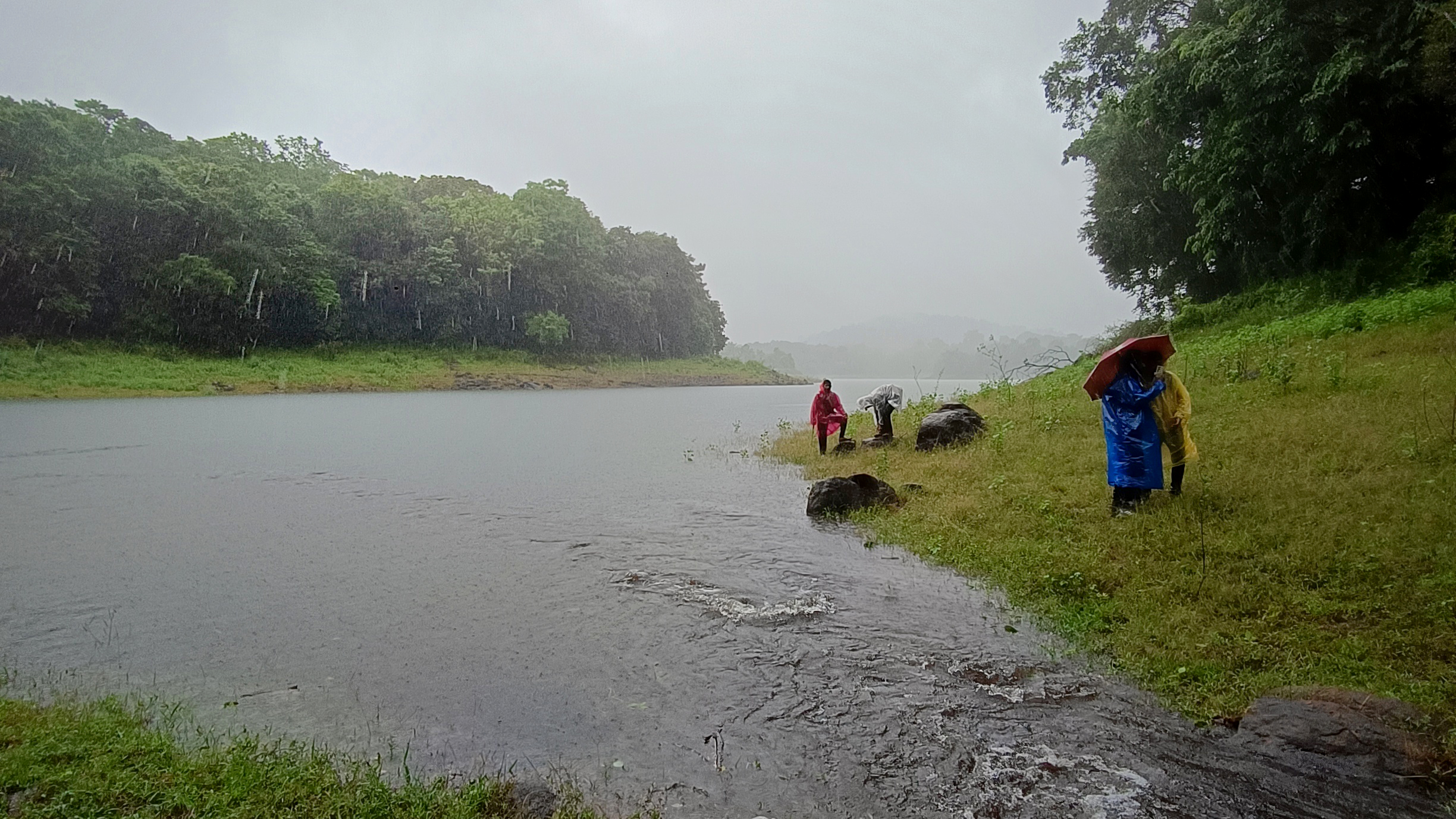
That happened to me during my recent Peechidam trekking experience. I was walking with the group when the weather suddenly changed. Rain began flowing down the mountain through the trees, creating a beautiful scene. My first thought was not about getting to the destination—it was about capturing that moment on video.
Here are some of the things I learned from that experience.
1. Respect the Forest and Follow Its Rules
The first rule of trekking should be simple:

Leave the forest as you found it—or better
If we carry something into the forest, we should carry it back out.
Plastic covers, food wrappers, bottles, tissues, paper and other waste should never be left behind. Even something that looks small and harmless can become part of a much larger environmental problem.
The forest is home to plants, animals, insects and countless other organisms. We are visitors there.
So, before leaving the trekking location, look inside your bag and make sure that everything you brought with you comes back.
What we carry into the forest should leave the forest with us.
Manjumal Peechi Trekking


2. Stay With Your Guide and Your Group
Forest trekking is very different from walking on a normal trail.
A path that looks obvious to us may not be the safest route.
Local guides often have something that a visitor cannot easily gain from a map or Google search: experience with the forest itself.
Many guides come from local communities and have spent years around these areas. They may understand the terrain, weather conditions, trails and potential risks much better than someone visiting for the first time.
So don’t treat the guide as someone who is simply showing you the way.
Listen to the guide. Stay with the group. Follow the instructions.
If the guide asks everyone to stay together, there is a reason.
3. Don’t Walk Alone
One of the biggest mistakes we can make during a forest trek is becoming separated from the group.
As photographers, this can be particularly tempting.
We see something interesting.
We stop.
Everyone continues walking.
Then we realize that the group has disappeared around the next bend.
This can be dangerous.
Dense forests can contain slippery rocks, uneven ground, insects, snakes and other hazards that may not be immediately visible.
Even a small injury becomes a much bigger problem when you are alone.
So if you want to stop for photography, tell the people around you first.
And if you need help or notice something unusual, don’t remain silent.
Stop the group and inform the guide or other trekkers.
4. A Trekking Stick Can Be Very Useful
On steep or uneven terrain, a trekking stick can provide additional support and balance.
It can be particularly useful when climbing over rocks, walking downhill or crossing areas where the ground is unstable.
A simple walking stick can also reduce some of the load on your legs and help you maintain balance.
But remember that it should primarily be treated as a walking and balance aid, not as a weapon.
The best protection in a forest is awareness, staying with the group and following the guide’s instructions.
5. Don’t Let Photography Make You Forget Your Body
This is probably the most important lesson I learned during my Peechidam trek.
I had been walking for quite some time when I noticed rainwater flowing down the mountain through the trees.
It looked beautiful.
As someone who enjoys photography and video, I immediately thought:
“This would look amazing in slow motion.”
So I stopped.
I sat down to capture the shot.
But after walking for a long time and then suddenly stopping, I started feeling unwell and faint.
I had to stay back while the rest of the group waited. I eventually had to lie down and rest for around five to ten minutes before I felt normal again.
After recovering, I was able to continue walking with the group.
That experience reminded me of something very important:
A beautiful shot is never worth risking your health.
When you have been walking for a long time, listen to your body. Take appropriate breaks, hydrate yourself and don’t suddenly push yourself beyond your limits just because you found a beautiful scene.
If you feel dizzy, weak, faint or unusually unwell, stop and tell someone immediately.
Don’t try to hide it just because you don’t want to slow the group down.
6. Carry Enough Water
Hydration becomes especially important during trekking.
You may not always realize how much water your body is losing because you are concentrating on walking, climbing and navigating the trail.
Carry your own water bottle and drink regularly rather than waiting until you become extremely thirsty.
A reusable bottle is also better than carrying multiple disposable plastic bottles.
And remember:
Your water bottle should come back with you too.
7. Wear Proper Trekking Shoes
Good footwear can make a huge difference during a trek.
Forest trails are not always flat or dry. You may encounter:
- Rocky surfaces
- Mud
- Wet stones
- Steep climbs
- Loose soil
- Slippery surfaces
- Uneven trails
Normal casual shoes may not provide enough grip or support in these situations.
A proper pair of trekking shoes with good traction and adequate ankle support can provide much better stability.
This becomes particularly important when climbing rocky or slippery sections.
Your feet are doing most of the work during a trek.
Don’t underestimate the importance of good footwear.
8. Be Prepared for Rain
Forest weather can change surprisingly quickly.
During our Peechidam trek, we carried rain protection, including a raincoat and hat. But when the rain became heavy, we still ended up getting quite wet.
Inside a forest, rain doesn’t always fall straight down.
Water can come through the trees, branches and surrounding vegetation, and the trail itself can quickly become wet and slippery.
So don’t choose rain protection based only on appearance.
Look for something that is:
- Water-resistant or waterproof
- Comfortable to wear
- Suitable for walking
- Easy to carry
- Large enough to provide useful coverage
And remember that being prepared for rain isn’t only about staying dry.
Wet clothing, slippery trails and reduced visibility can make trekking more difficult.
9. Watch Where You Step
When we walk through a forest, our eyes naturally look at the scenery.
But sometimes we need to look down too.
A small snake, insect, hole, root or slippery rock can be difficult to notice, particularly when it blends into the surroundings.
The forest is full of natural camouflage.
That is another reason why staying with the group and following the guide’s instructions is so important.
Don’t walk while constantly looking at your phone or camera.
Look at the trail. Look around you. Then take the photograph.
10. Photography During a Trek Needs a Different Mindset
This is something I am still learning myself.
When I am travelling with a camera, I naturally want to stop whenever I see something beautiful.
A cloud moving over a mountain.
Rain passing through trees.
Water flowing over rocks.
A beautiful tree.
A bird.
A beam of sunlight.
These moments are exactly why I carry a camera.
But trekking photography is different from a normal photography session.
You are not alone.
You are part of a group.
You are moving through an environment that can be unpredictable.
So before stopping for a photograph, ask yourself:
Is it safe to stop here?
Will I lose sight of the group?
Is the ground stable?
Do I have enough energy to continue?
Have I informed the others?
If the answer to any of these questions is no, the photograph can wait.
There will always be another photograph.
There may not always be another opportunity to correct a bad decision.
11. The Forest Is Bigger Than Our Photograph
One of the beautiful things about trekking is that it gives us an opportunity to experience nature directly.
But we should remember that we are visitors.
The forest does not exist for our photographs, Instagram posts or YouTube videos.
We should not disturb animals for a better shot.
We should not damage plants to create a composition.
We should not leave rubbish behind.
We should not make unnecessary noise.
And we should not take unnecessary risks simply to capture a dramatic photograph.
Sometimes the best thing we can do is simply stand there, watch the clouds move and enjoy the moment.
Not everything has to be recorded.
12. Trekking Is About Reaching Together
A trek is not a race.
The goal should not simply be:
“How quickly can I reach the destination?”
The better question is:
“Can we complete the trek safely and enjoy the journey together?”
Keep pace with the group.
Don’t isolate yourself.
Inform others when you need to stop.
Help someone if they are struggling.
Listen to the guide.
Take breaks when necessary.
And most importantly, don’t be embarrassed to say:
“I need to rest.”
Your trekking partners would much rather wait for you for ten minutes than deal with an emergency later.
My Biggest Lesson From Peechidam
My Peechidam trekking experience reminded me that trekking and photography require two different mindsets.
Photography tells us:
Stop. Look. Wait. Capture the moment.
Trekking sometimes tells us:
Keep moving. Stay together. Watch your surroundings.
A Few Simple Rules to Remember
Before your next forest treking:
Carry your waste back
Stay with your group
Listen to your guide.
Carry enough water.
Wear proper trekking shoes.
Prepare for rain.
Watch where you step.
Tell someone if you feel unwell.
Don’t take unnecessary risks for a photograph.
Enjoy the forest without forgetting that you are a visitor.
The best trekking experience isn’t necessarily the one where we capture the most photographs.
It is the one where we return home safely—with good memories, good photographs and the forest looking exactly as beautiful as we found it.